

BetKing and AC Milan: Partnership Impact in Nigeria
Explore how BetKing 🇳🇬 partners with AC Milan 🇮🇹 to boost football passion and sports betting thrills for Nigerian fans. Discover benefits and marketing moves ⚽💰
Edited By
Matthew K. Foster
The recent circulation of the BetKing girl sex video has stirred significant conversations across Lagos and beyond, shaking the public’s perception of the BetKing brand. This controversy not only affects the company’s image but also reveals critical social and legal issues connected to online privacy in Nigeria.
BetKing, a major player in Nigeria’s thriving sports betting industry, faces new challenges as its brand gets linked with content that many consider damaging. The immediate reaction on social media shows a mix of curiosity, criticism, and concern — a testament to how digital platforms amplify such incidents rapidly.
The fallout from viral videos like this extends beyond gossip; they touch on personal rights, corporate accountability, and the limits of social tolerance in the digital age.
Many Nigerian bettors and professionals consider brand trust vital before engaging with betting platforms. The association with an explicit video risks eroding customer confidence. Sponsors, partners, and regulatory bodies could reconsider their support if the company appears unable to manage or distance itself from such controversies.
In Nigeria, the distribution of explicit content without consent breaches the Cybercrimes Act 2015, raising serious legal questions for the individuals involved and those disseminating the video. Moreover, this situation spotlights the need for greater awareness around online privacy rights among Nigerians.
Victims of such leaks often face social stigma and psychological stress, which Yoruba or Hausa communities might respond to with particular social conservatism. It underscores why comprehensive digital literacy and legal protection are necessary for citizens navigating online spaces.
This incident acts as a reminder for betting companies and other digital businesses in Nigeria to strengthen their online reputation management and establish clear protocols to handle crises. It also shows the urgent call for educating users about safeguarding personal data, especially in a country with growing internet penetration but limited privacy understanding.
Professionals in the tech and legal sectors argue for stronger enforcement of regulations and public sensitisation, so the Nigerian digital ecosystem remains safe and responsible.
Understanding this context helps bettors and industry watchers grasp the multifaceted consequences of such viral sexual content tied to prominent brands. The BetKing girl sex video is more than scandal; it reflects real societal and systemic gaps requiring attention.
BetKing stands as one of Nigeria’s leading sports betting companies, known for its strong presence in both urban and semi-urban areas. Since launching in 2015, it has built a loyal customer base by offering competitive odds and a variety of betting options, including football, basketball, and local sports leagues. Its partnerships with popular Nigerian football leagues and heavy investment in digital platforms have made it a household name among bettors. Notably, BetKing’s aggressive marketing campaigns often use social media platforms like Twitter and Instagram to reach young Nigerians who are increasingly turning to mobile betting.
The video scandal first surfaced on social media in late 2023, quickly gaining traction across various platforms such as WhatsApp, Twitter, and TikTok. What made the video particularly sensitive was its alleged connection to an employee or affiliate associated with BetKing, sparking questions about privacy and personal conduct linked to the brand. The content spread faster than the company’s internal response mechanisms could handle, revealing gaps in social media monitoring and crisis preparedness. Insider reports suggest that the leak originated from a private chat group but soon entered public circulation, creating a viral wave of online discussion and pressure on BetKing’s management.
Public reaction was swift and mixed, with many condemning the breach of privacy while others debated the implications for BetKing’s corporate image. Online forums and Nigerian entertainment blogs dissected the event, while mainstream media outlets gave extensive coverage, raising concerns about how personal indiscretions can affect professional reputations, especially in high-profile companies. The significant social media buzz led to trending hashtags, further magnifying the incident. Some commentators compared this scandal to previous corporate controversies that shook Nigerian businesses, pointing out the increasing difficulty in keeping personal lives separate from corporate duties in the digital era.
The incident serves as a reminder that in today's Nigeria, digital footprints can quickly impact professional worlds; brands and individuals alike must navigate this reality carefully.
This background helps readers understand why the BetKing video became a focal point in public discourse, its impacts on the betting industry, and the broader challenges firms face in protecting their brand amid evolving social media landscapes.
Brand reputation forms the backbone of any successful business, especially in Nigeria's fiercely competitive betting industry. When a scandal like the BetKing girl sex video surfaces, it can shake public perception and erode consumer trust swiftly. Companies depend on their brands to inspire confidence, and any negative news can derail that trust, affecting both customer loyalty and business performance.
BetKing enjoyed a growing presence in Nigeria's online sports betting scene, backed by aggressive marketing and partnerships with football clubs. However, the viral video incident cast a shadow over the brand, linking it with controversy rather than credibility. Social media users and punters began associating BetKing with scandal, which risks diluting its carefully built image. For instance, the hashtag related to the video trended for days, attracting critical comments not just about the individuals involved but also the brand’s leadership. This distracted from BetKing’s core business and forced the company into a defensive posture.
Such a blow to brand image isn't unique to BetKing. Remember how Diamond Bank faced public outrage after some poor customer service videos went viral, affecting their reputation before they restructured and improved service delivery. Likewise, BetKing must now work to rebuild its image through transparent communication and visible corrective measures to reassure punters.
The betting market depends heavily on users feeling secure—financially and reputationally—when they place bets. After the video leak, some punters expressed hesitation about continuing with BetKing, worrying if the brand’s internal controls and ethics were as solid as claimed. Consumer confidence dipped noticeably on forums and betting communities.
In practical terms, this dip affected betting volumes temporarily, as some users switched to rival platforms like Betway or 1xBet. The thing is, the Nigerian betting scene has low switching costs, so trust issues directly influence user behaviour. Maintaining brand integrity is crucial to hold on to bettors who are always looking for safer, more trustworthy options.
Nigeria has witnessed several corporate scandals that impacted brand perception deeply. For example, the GTBank cybersecurity breach some years ago led to withdrawal fears and a short-lived decline in user activity until prompt action was taken. Similarly, MTN Nigeria’s repeated network outages have dented customer trust despite their market dominance.
Unlike product or service failures, scandals involving personal scandals or social media leaks bring sharper public backlash because they touch on ethics and values. Thus, BetKing’s situation mirrors broader trends where corporate missteps—especially linked to social issues—can escalate reputational damage fast.
Rebuilding trust requires consistent engagement, sincere apologies, and concrete steps to demonstrate accountability. Brands that successfully navigate such crises take active charge rather than leaving narratives to social chatter.
In summary, the BetKing video incident reveals how fragile corporate reputation can be in Nigeria's digital age. Restoring consumer trust will demand sustained effort, clear communication, and bolstering internal ethics to prevent repeated damage. Punters and bettors tend to remember these episodes, influencing their loyalty well into the future.
The controversy around the BetKing girl sex video goes beyond just public embarrassment. It opens a window into serious social and legal questions, especially in Nigeria's fast-evolving digital environment. Understanding these dimensions helps clarify the stakes for individuals, companies, and society at large.
Digital privacy has become a hot topic because content like the BetKing video often spreads without the full consent of those involved. Nigerian law recognises the right to privacy, but enforcement online remains challenging. For instance, a private video shared without permission infringes on personal dignity and privacy rights. This breach worsens when platforms allow such material to go viral without checks. Victims often find themselves battling social backlash because the video is public, even if it was meant to be confidential.
What complicates matters is the lack of digital literacy among many Nigerians, making it easy for such videos to circulate widely. Educating people about the importance of consent and the risks of sharing private content is crucial. In practical terms, users must protect their data and be cautious about saving or forwarding sensitive material.
Nigeria's Cybercrime Act 2015 provides a legal framework against offences including the unauthorised use and distribution of private digital content. Those who share or distribute such videos without consent can face prosecution, including fines and imprisonment. For example, a person caught uploading such videos on social media may be liable under Section 24 of the Act.
Yet in practice, enforcement can be uneven. Law enforcement agencies like the Economic and Financial Crimes Commission (EFCC) and the Nigerian Cybercrime Unit are stepping up efforts to combat cyber offences. Still, victims must report promptly and provide evidence for effective action. Legal experts often advise documenting instances of harassment or distribution to build strong cases.
The case also highlights the need for tech companies and social media platforms to cooperate with regulators to remove infringing content swiftly. This combination of personal vigilance and legal recourse forms the best defence against the spread of such videos.
The social fallout from such incidents hits hard especially in Nigeria, where cultural attitudes on morality and privacy remain conservative. Victims often face stigma from family and community, which can lead to isolation, anxiety, and depression. This effect intensifies when misinformation or hate speech accompanies the video spread.
Mental health services are still limited in Nigeria, and many affected individuals struggle silently. Support systems including counselling, peer support groups, and community sensitisation can help reduce the negative impact. It is vital that society approaches victims with empathy rather than judgment.
The social and legal consequences of viral private videos demand a coordinated response—from individuals knowing their rights, to authorities enforcing laws, and communities providing support.
Together, these social and legal dimensions underline the critical need for stronger privacy culture, robust legal frameworks, and mental health awareness in Nigeria's digital society.
The BetKing girl sex video controversy reveals deeper issues about digital culture and corporate ethics in Nigeria. It’s a reminder that protecting personal privacy extends beyond individuals to companies that interact with digital media. The scandal spotlights gaps in how online content is managed and the responsibility firms bear when crises hit.
Social media platforms are central to the spread of content, both positive and damaging. Nigerians often share videos and images widely without fully understanding privacy consequences. Platforms like Instagram, Twitter, and WhatsApp have built-in privacy controls, yet many users do not activate these settings.
For example, the viral spread of intimate videos often begins with private sharing but quickly becomes public due to misconfigured privacy settings or malicious forwarding. Users should regularly review their account privacy, limit content visibility, and be cautious about accepting unknown contacts.
Besides user responsibility, tech companies must enhance safeguards to flag and remove non-consensual intimate content swiftly. The Nigerian Communications Commission (NCC) and bodies like the Economic and Financial Crimes Commission (EFCC) can work with platforms to enforce stronger accountability.
In Nigeria’s digital environment, user vigilance and improved platform policies must go hand in hand to protect privacy effectively.
Corporations, especially high-profile brands like BetKing, must respond decisively when linked to controversies. Immediate acknowledgment, transparent communication, and proactive reputation management help restore customer trust.
BetKing’s handling of the video leak should involve clear public statements distancing the company from the individual(s) involved, explaining investigative steps, and reassuring stakeholders about ethical business conduct. Neglecting such crises can intensify damage and erode consumer confidence.
Also, companies should adopt policies preventing employees from engaging in behaviours that risk the brand. Training on digital conduct and social media use is a practical step many Nigerian firms overlook.
Digital literacy remains uneven across Nigeria, contributing to incidents like the BetKing video leak. Public education campaigns targeting youths and working adults can foster understanding of online privacy, consent, and respectful conduct.
Schools and organisations can incorporate modules on digital rights and the possible repercussions of reckless sharing. NGOs and media outlets play vital roles too, advocating for responsible online behaviour and providing resources.
By raising awareness, Nigeria can reduce harmful incidents and create a healthier online culture. This effort supports safer social media spaces, protects vulnerable individuals, and helps maintain brand integrity.
In summary, the BetKing video saga underscores the urgent need for stronger privacy protection, ethical corporate responses, and widespread digital education in Nigeria. These lessons go beyond one incident to shape a more respectful and secure digital culture nationwide.
Explore how BetKing 🇳🇬 partners with AC Milan 🇮🇹 to boost football passion and sports betting thrills for Nigerian fans. Discover benefits and marketing moves ⚽💰
Discover how old mobile BetKing shops shaped betting culture in Nigeria 🏧, their challenges, community impact, and shift to digital platforms in today’s ₦ economy.
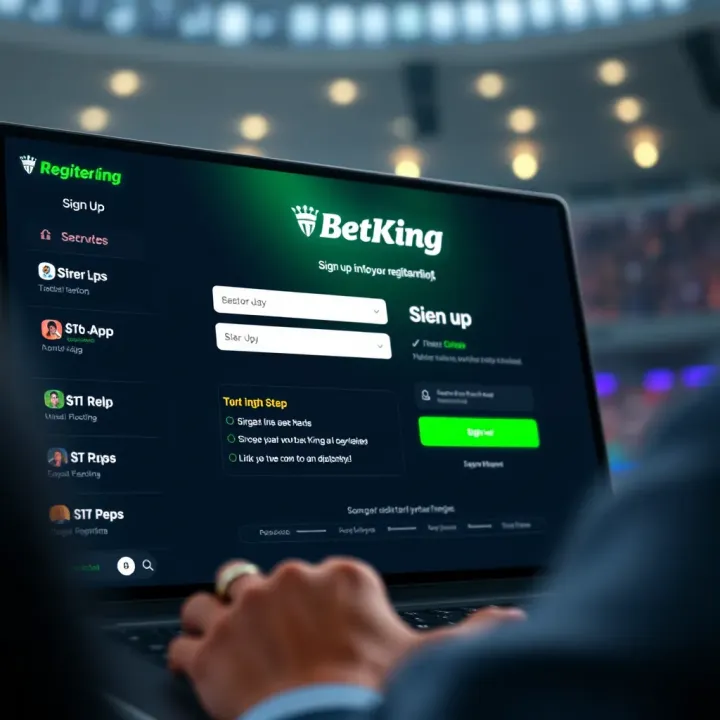
Ready to start betting on BetKing? 🎲 This guide shows Nigerian users how to register, verify accounts, and tips for a smooth experience. Bet and win today! 💰
Learn how to deposit on BetKing easily using bank transfer, USSD, or e-wallets like OPay 💳. Secure your funds fast and join the ₦ betting action today! 🎯
Based on 11 reviews